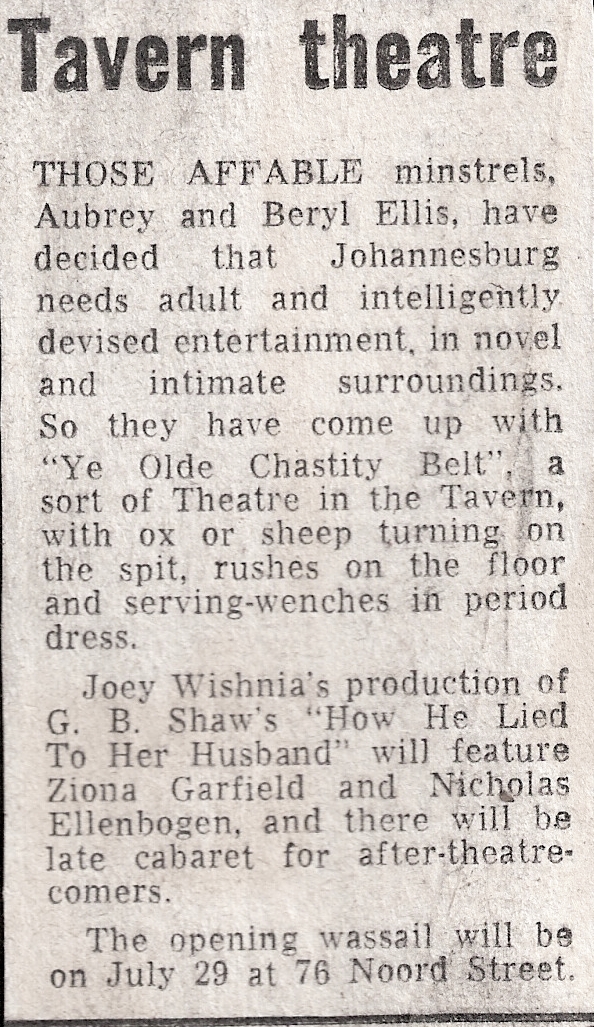

Ye Olde Chastity Belt — Opening Night (July 1971)
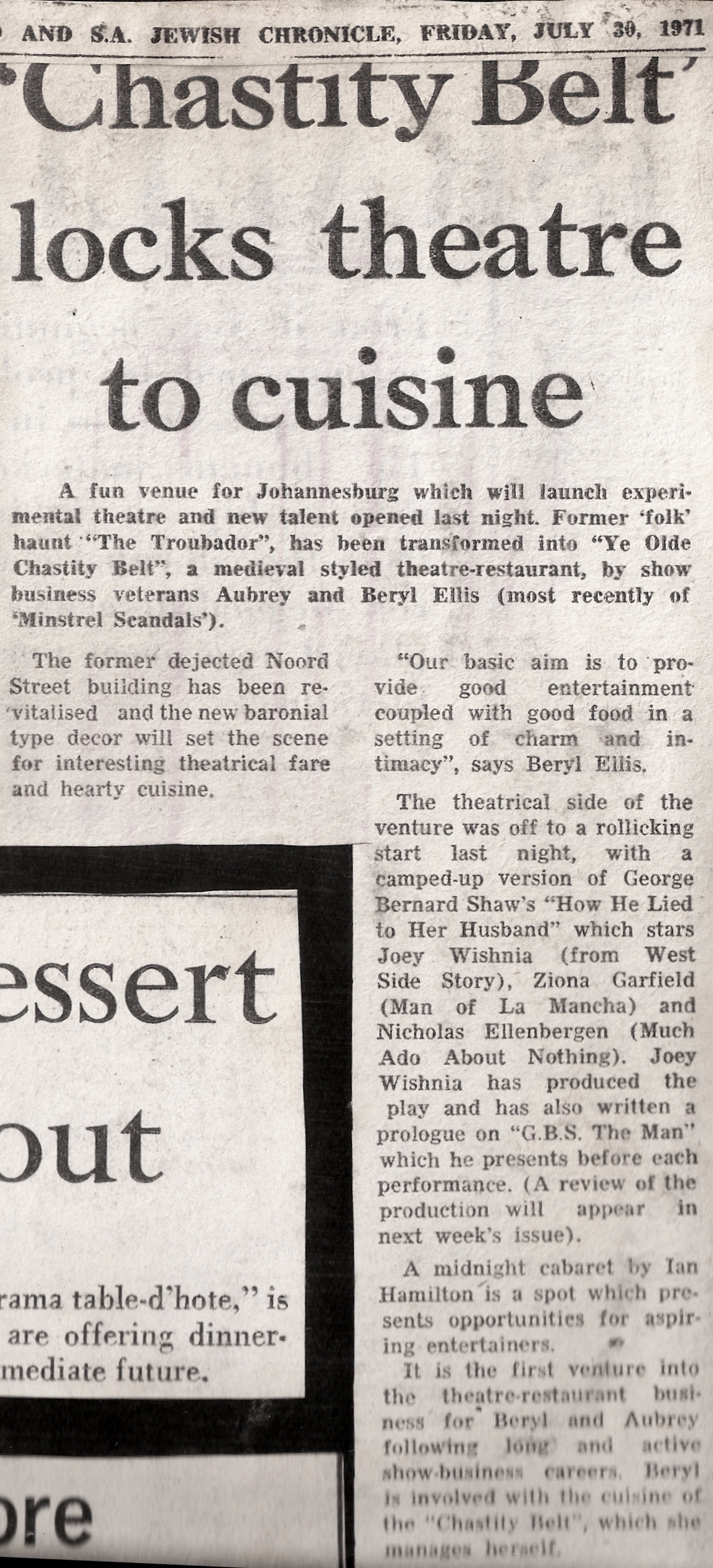
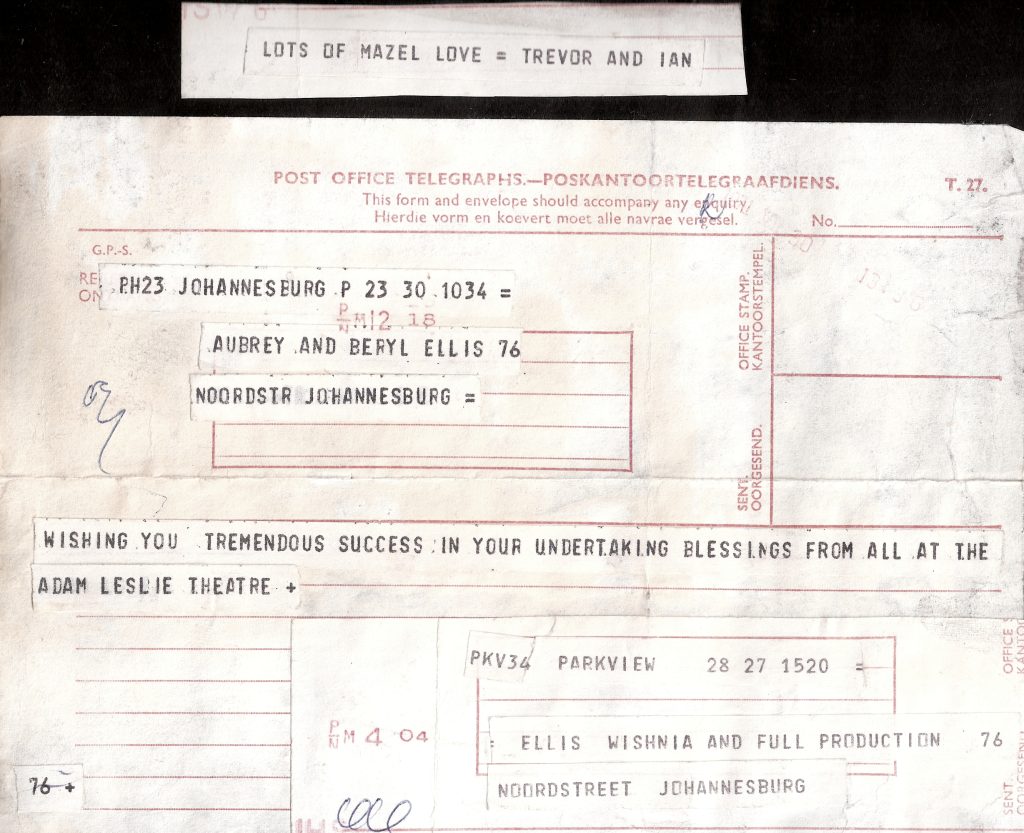
Ye Olde Chastity Belt opened its doors at 76 Noord Street on 28 and 29 July 1971 — both nights sold out before the reviews had even been written. Telegrams poured in from across Johannesburg’s theatre world: “Lots of Mazel, love — Trevor and Ian”; “Wishing you tremendous success in your undertaking — blessings from all at the Adam Leslie Theatre”; and, addressed to the whole company, from Aubrey and Beryl’s old Minstrel Scandals producers — “May your great efforts reap wonderful rewards and all be a Shaw success. Love and fondest thoughts — Joan and Louis.”
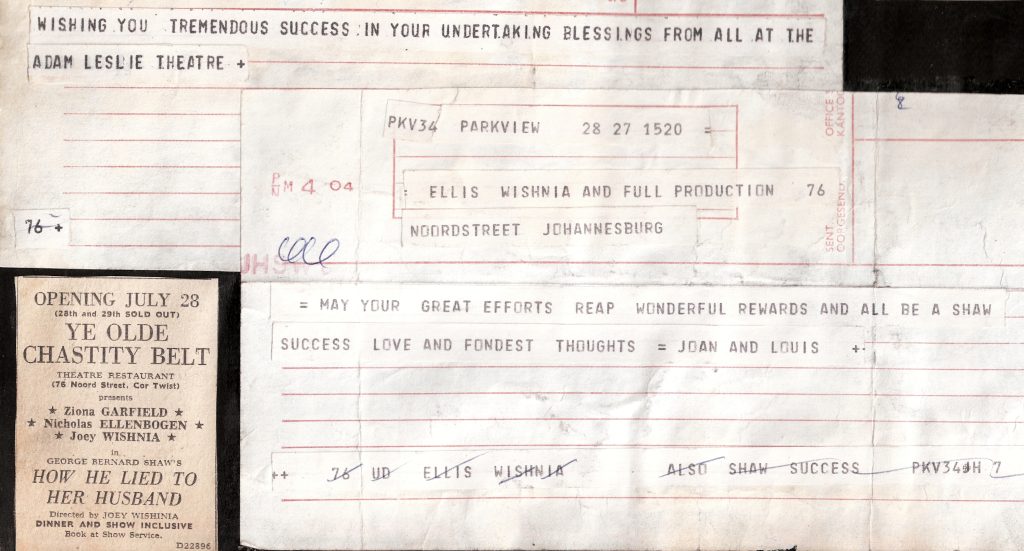
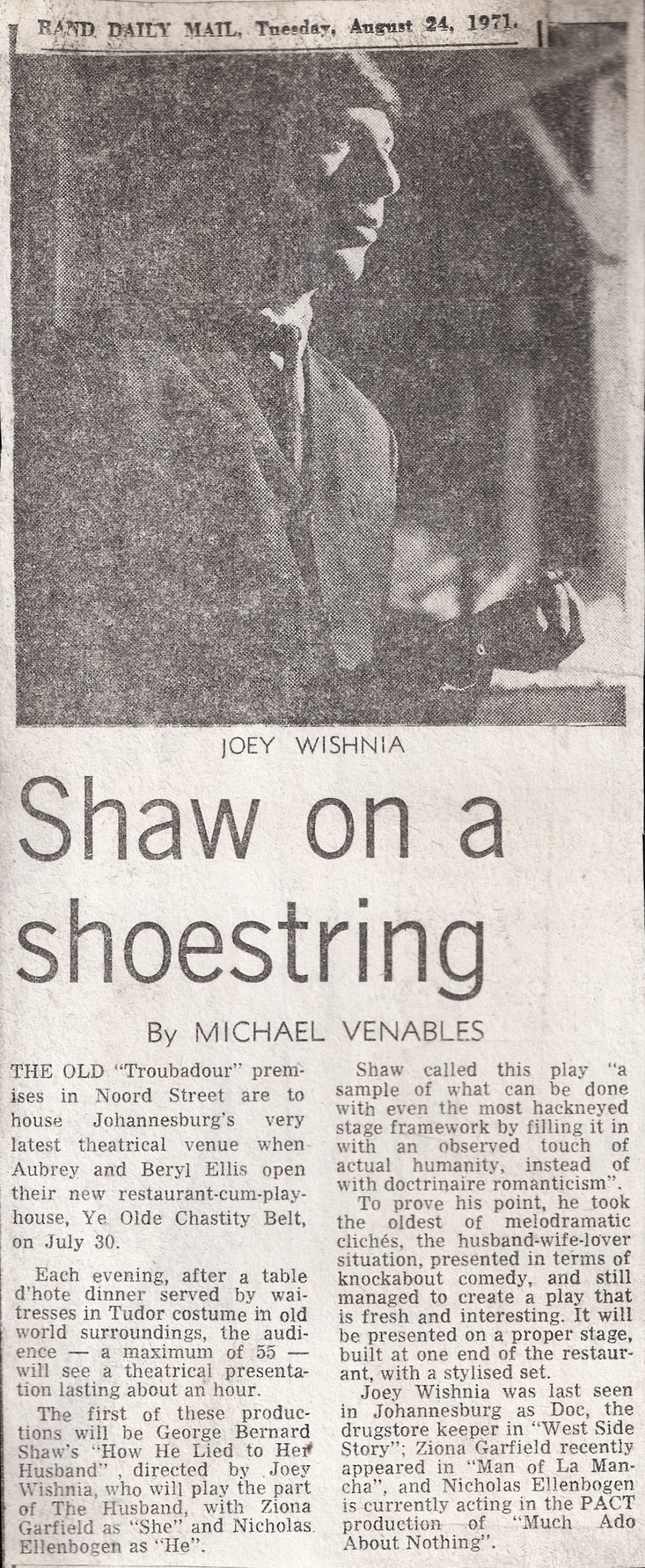
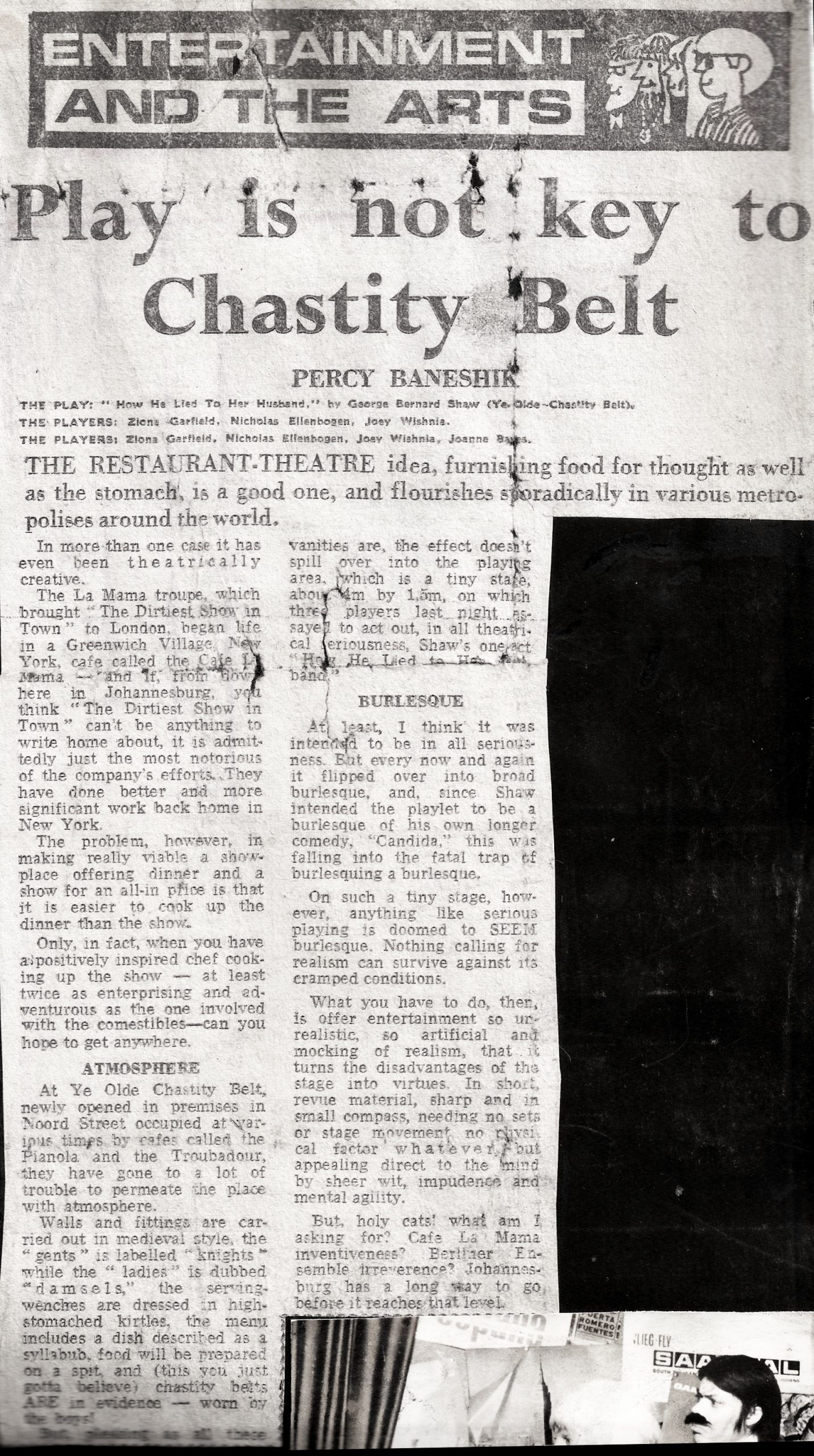
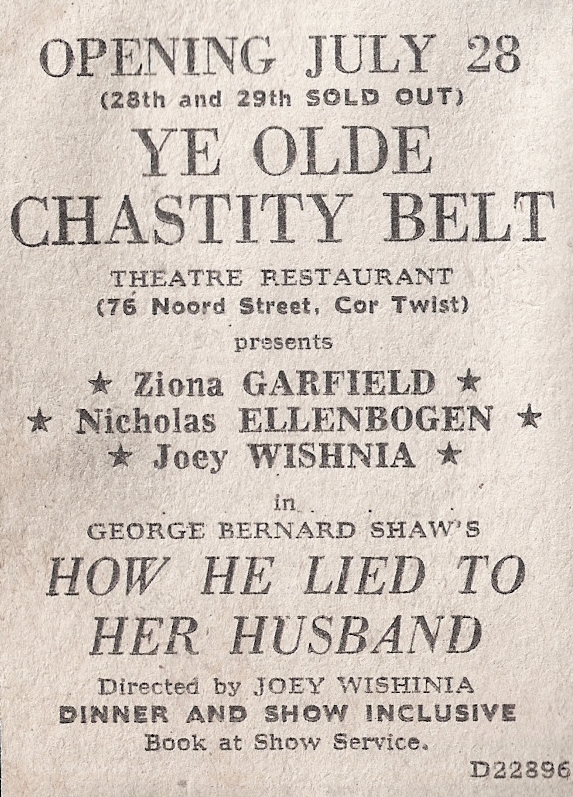
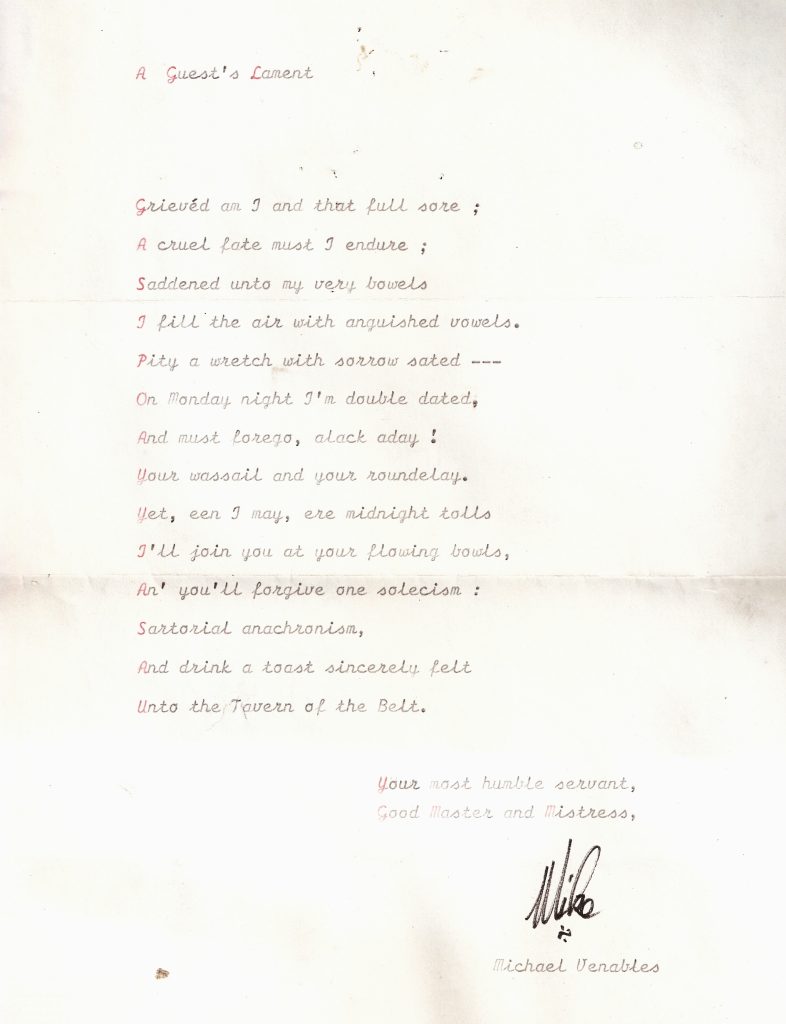
The opening bill was George Bernard Shaw’s How He Lied to Her Husband, directed by and starring Joey Wishnia, with Ziona Garfield and Nicholas Ellenbogen — dinner and show inclusive, booked through Show Service. Critic Michael Venables, unable to attend on the night, sent his regrets in verse — a mock-medieval “Guest’s Lament” — and made good on his promise to visit soon after, reviewing the production for the Rand Daily Mail as “Shaw on a Shoestring.”
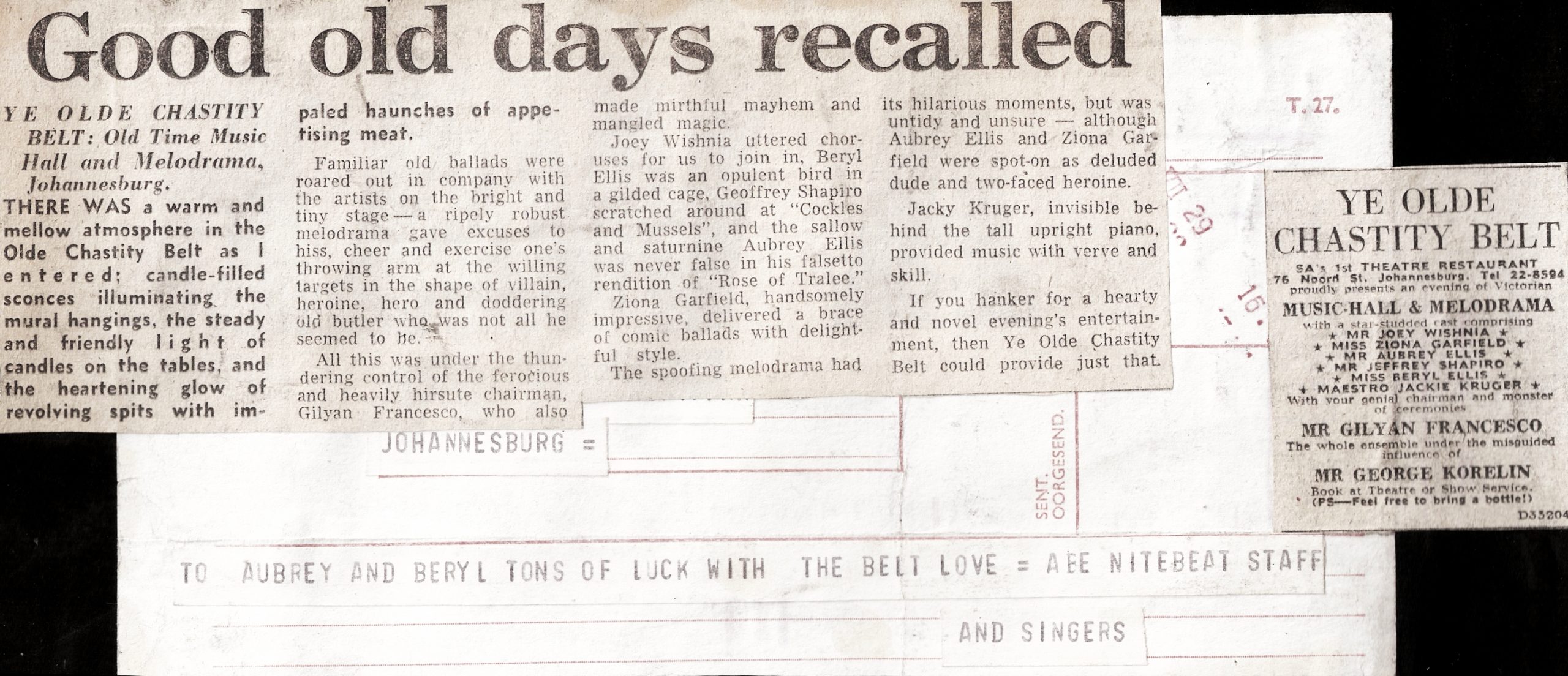
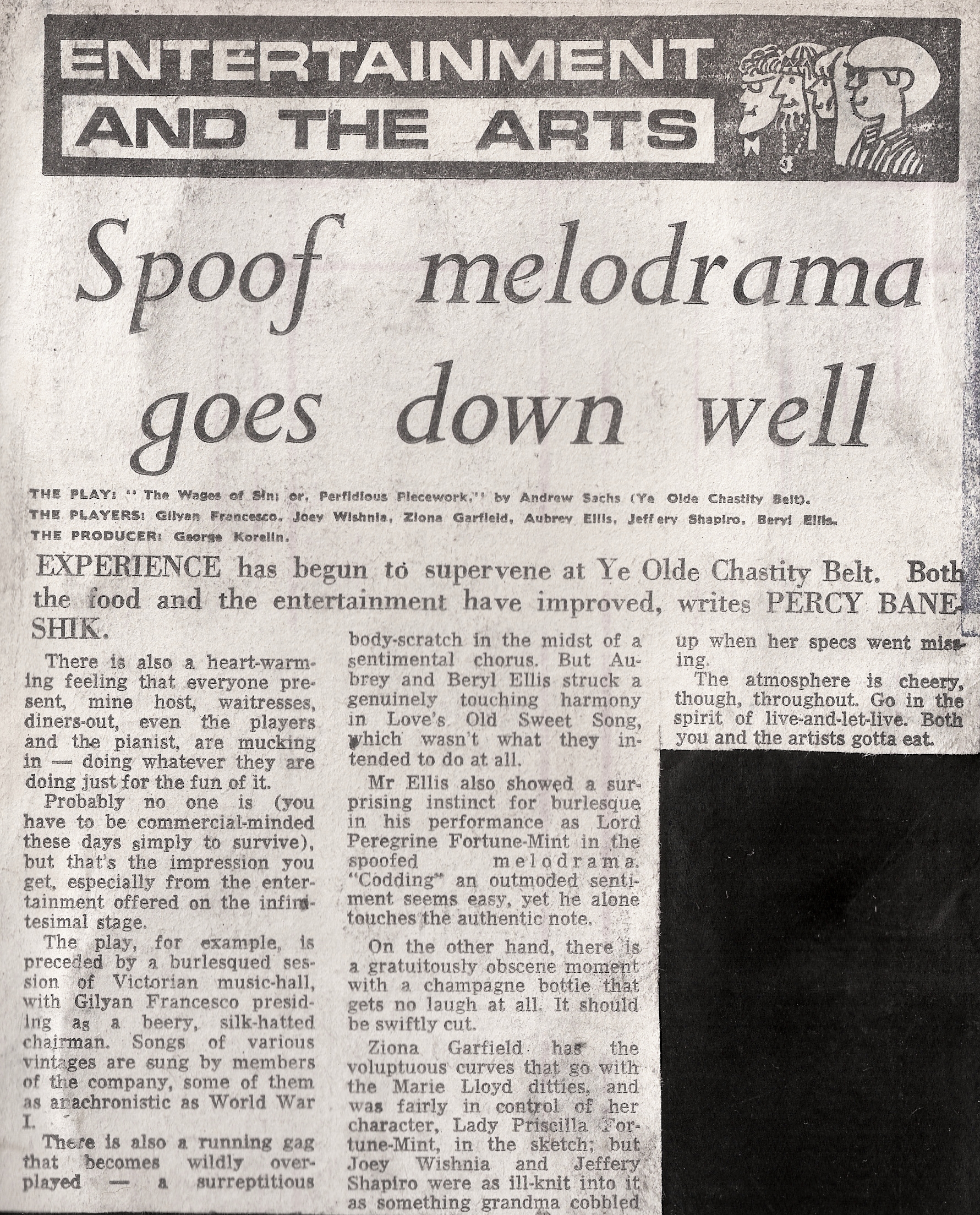
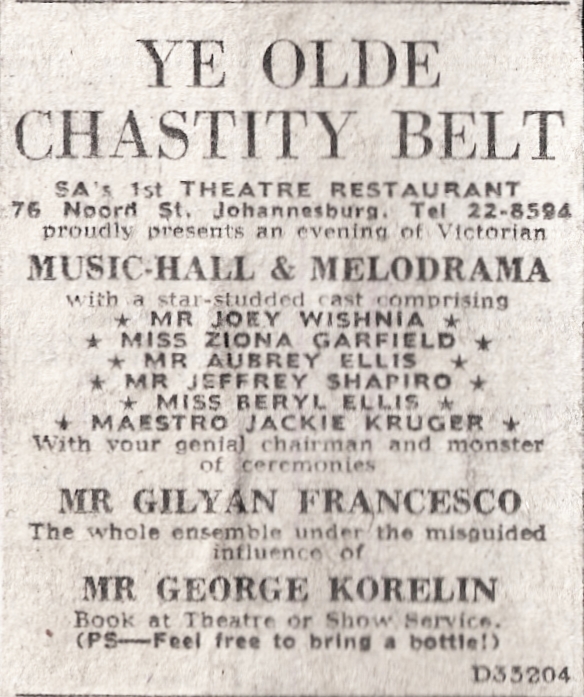
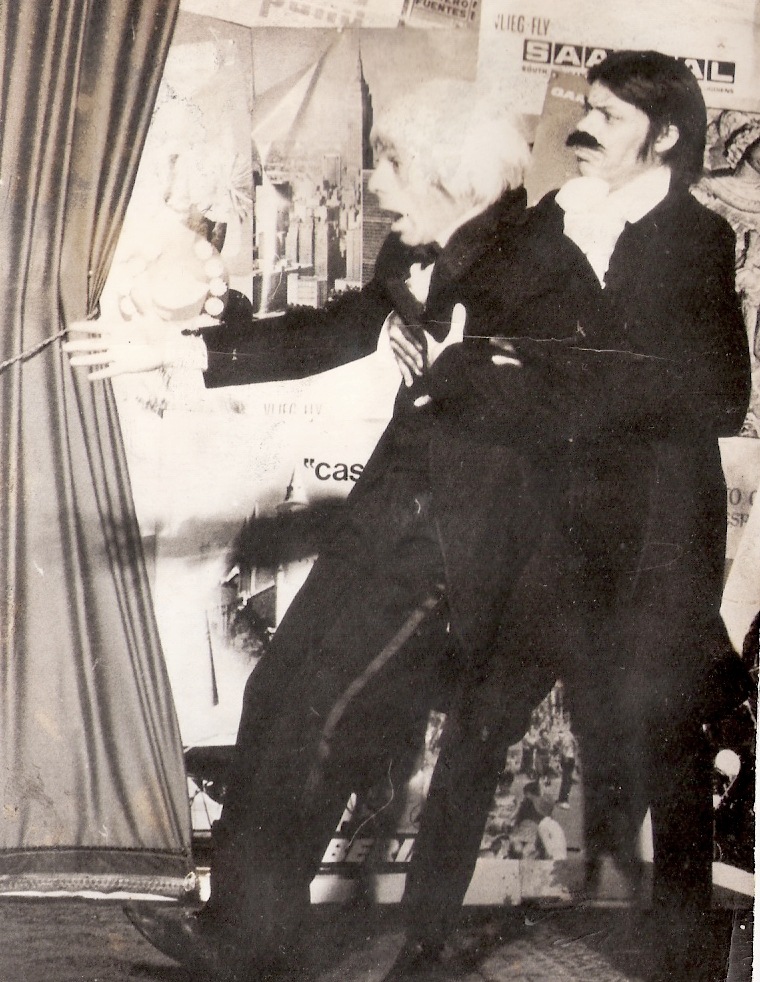
The second bill was the one Aubrey and Beryl put together themselves: an evening of old-time Music-Hall & Melodrama, opening with a burlesqued Victorian music-hall session — Gilyan Francesco presiding as a “beery, silk-hatted chairman,” with Jackie Kruger at the piano — followed by a spoof melodrama, The Wages of Sin; or, Perfidious Piecework, written by Andrew Sachs and produced by radio star George Korelin (of Springbok Radio’s Taxi), whose name on the bill helped draw crowds to the fledgling venue. Aubrey, cast as the blustering Lord Peregrine Fortune-Mint, was singled out by critic Percy Baneshik for a “surprising instinct for burlesque,” while he and Beryl closed the evening together on “Love’s Old Sweet Song” — landing, by the reviewer’s account, as “genuinely touching harmony,” rather more sincere than the spoof around it intended.
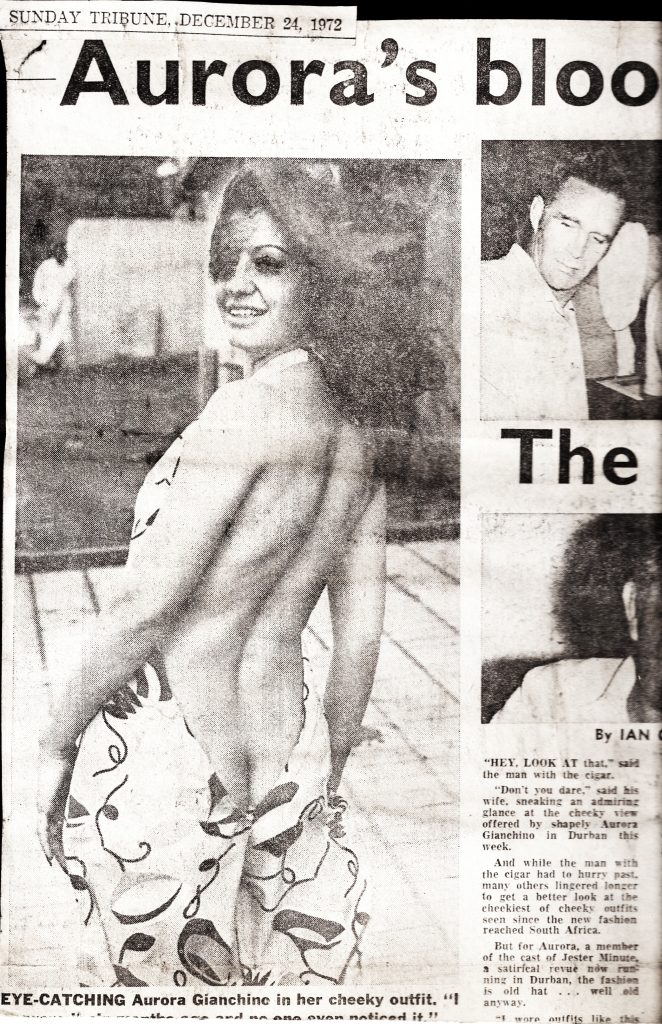
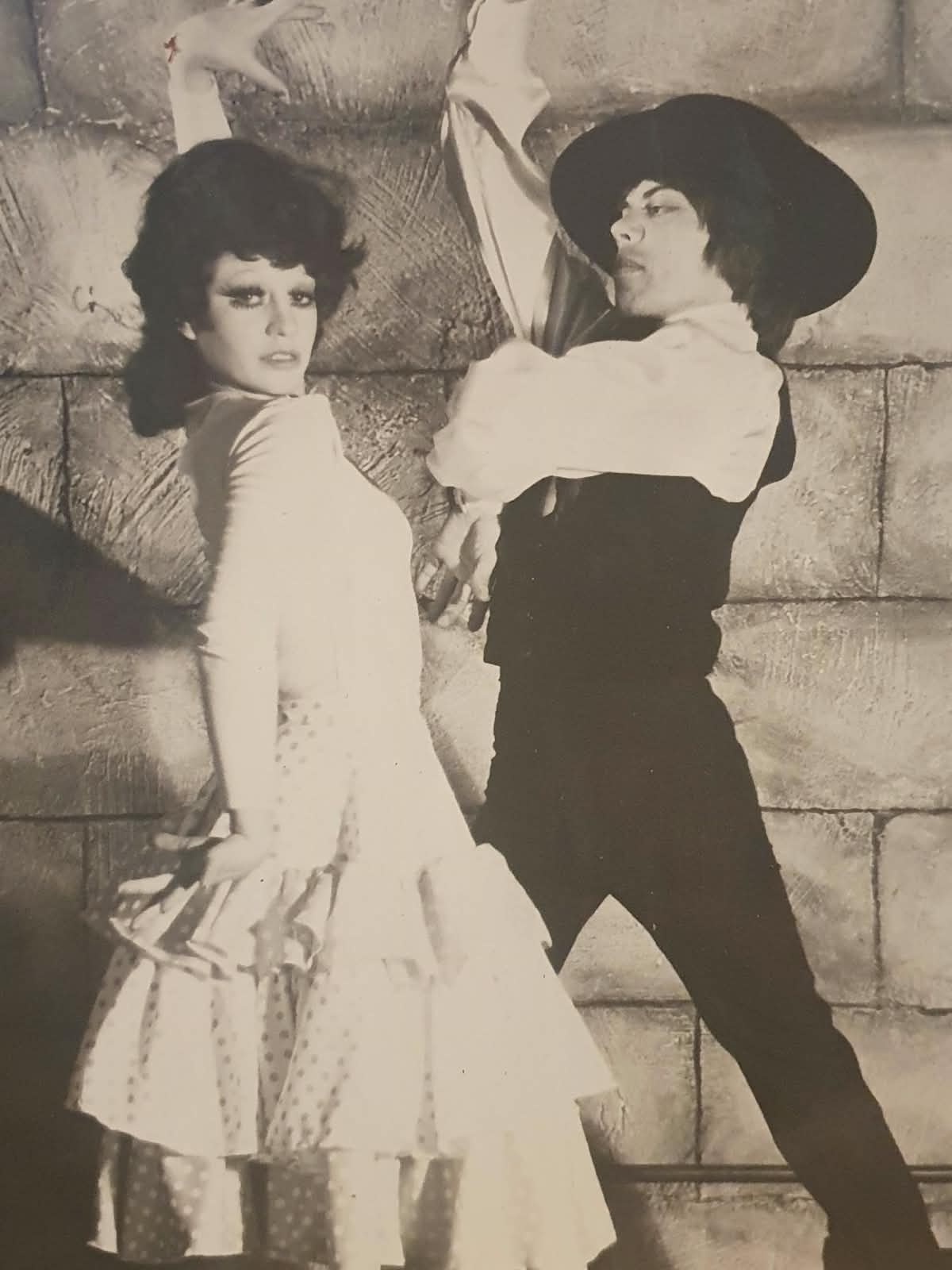
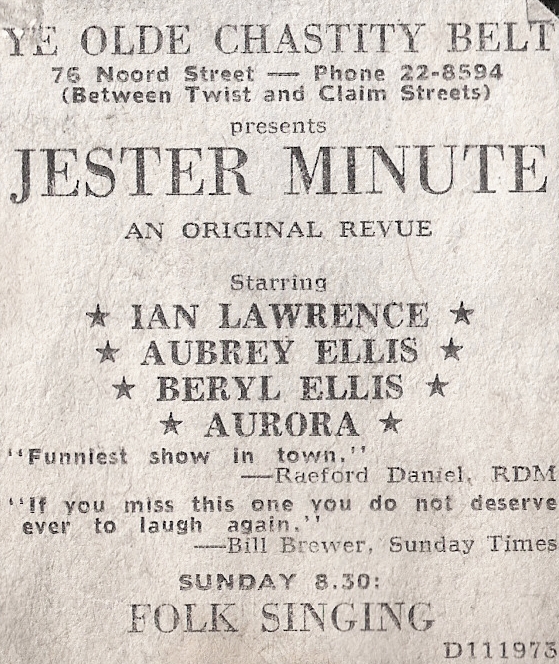
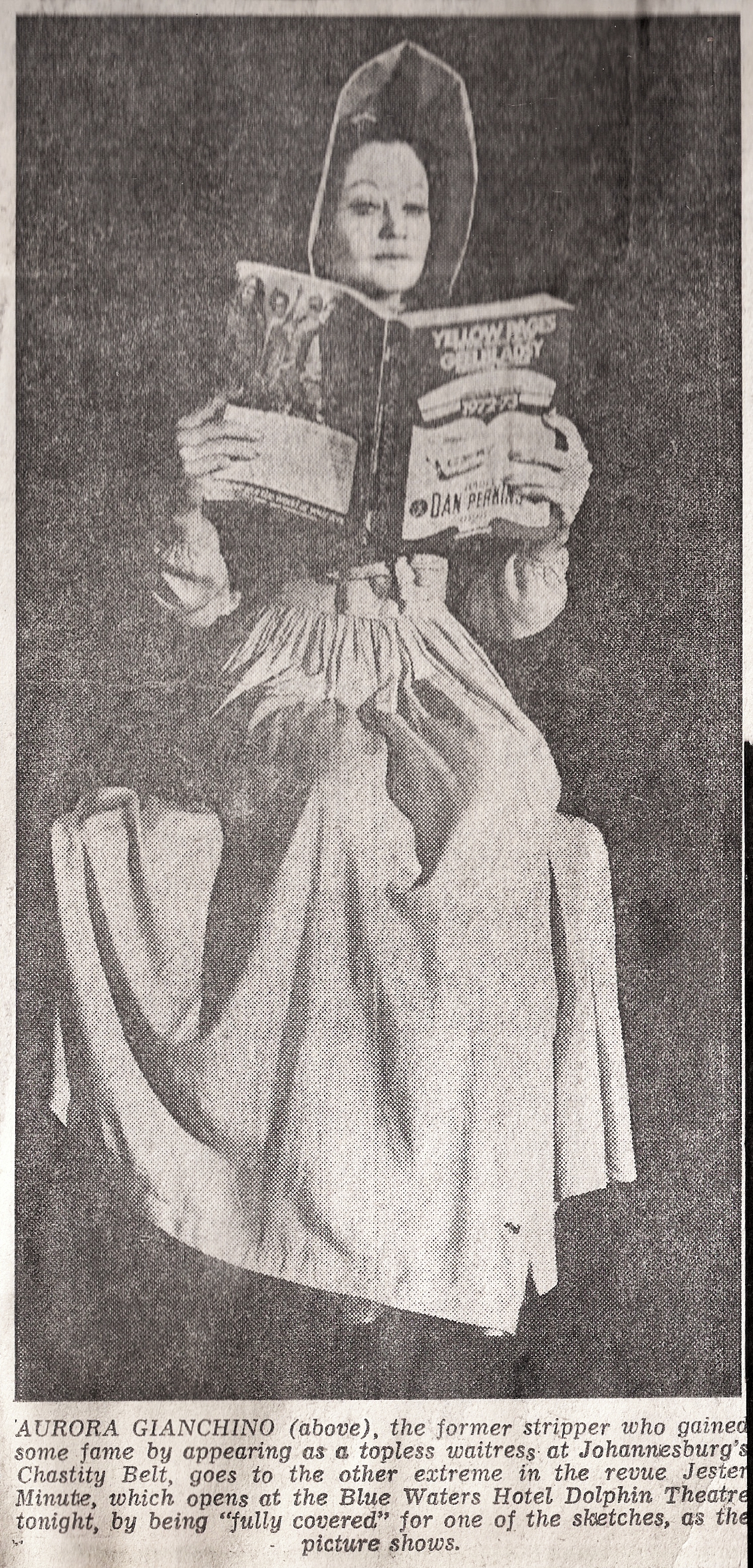
Behind the scenes, two people became fixtures of the Belt’s whole run: Aurora Gianchino, a dancer from Kyalami Ranch who joined the company as costumer, performer, and general jack-of-all-trades; and Marianne Olivier, a trained accountant who took charge of the business side — box office, advertising, and admin — keeping the venue running through everything that followed.